
There’s something magical about the smell of coffee brewing in the morning – that warm, comforting aroma that signals a fresh start to the day. But have you ever wondered why some cups taste smooth and rich, while others feel lifeless or bitter? The secret isn’t in the fancy equipment or brewing technique - it’s in the fresh coffee beans.
When your coffee beans are truly fresh, every sip bursts with flavor, aroma, and energy. The quality of your beans determines how your coffee tastes, smells, and even how it makes you feel. In this article, we’ll uncover why fresh coffee beans are the foundation of great coffee, how they elevate your everyday cup, and simple ways to brew perfection right at home.
1. What Makes Coffee Beans “Fresh”?
When coffee beans are roasted, natural oils and gases develop inside them. These oils are responsible for the delightful aroma and flavor that make your cup so enjoyable. However, once beans are exposed to air, they begin to lose these compounds through a process called oxidation.
Fresh coffee beans are those that have been roasted recently - usually within the past two to four weeks. This is when they’re at their flavor peak. The longer beans sit on a shelf or in an open bag, the more they lose their essential oils and taste complexity.
If you’ve ever sipped coffee that tasted dull or bitter, it’s likely because the beans weren’t fresh.
2. The Flavor Advantage of Fresh Coffee Beans
The biggest reason to brew with fresh coffee beans is flavor. When you grind freshly roasted beans, you release aromatic oils that contribute to a full-bodied, smooth taste. These oils are volatile and begin to fade quickly after grinding, which is why pre-ground coffee often lacks that same richness.
With fresh coffee beans, you’ll notice:
A more vibrant aroma that fills your kitchen instantly.
Deeper flavor notes, whether fruity, nutty, or chocolaty.
Balanced acidity that gives the coffee its pleasant brightness.
Think of it like fresh produce - the fresher it is, the better it tastes. Coffee is no different.
3. Fresh Coffee Beans Preserve Natural Oils
When coffee beans are roasted, natural oils rise to the surface, creating that glossy, rich texture we love. These oils contain compounds that enhance flavor and aroma.
Using fresh coffee beans ensures that these oils are still intact and active when you brew. If the beans are old or stale, the oils have often dried up or evaporated, resulting in a cup that tastes flat or overly bitter.
The natural oils in fresh coffee beans are also packed with antioxidants, giving your body a subtle health boost while making your drink more satisfying.
4. The Role of Roast Type in Freshness
Roast level plays a big part in how freshness affects flavor. For example, dark roast coffee tends to have more visible oils and a bolder taste. If these beans aren’t fresh, the oils oxidize quickly and create an unpleasant, smoky bitterness.
On the other hand, lighter roasts maintain subtle, delicate notes - but those flavors fade rapidly when the beans lose freshness.
No matter your roast preference, choosing fresh coffee beans ensures you experience the roast’s true character - whether that’s a bold, smoky dark roast coffee or a floral, bright light roast.
5. Freshness and Brewing Method Go Hand in Hand
Different brewing methods highlight different aspects of coffee. Espresso, for instance, relies heavily on crema - that golden layer of foam formed by gases released from fresh coffee beans. If the beans are stale, crema barely forms, and the shot tastes dull.
For pour-over, French press, or drip brewing, freshness helps extract balanced flavors without excessive bitterness. When your beans are fresh, the gases escape evenly during brewing, leading to better water flow and a consistent taste in every cup.
In short, no brewing method can make up for stale beans. Fresh coffee beans are the foundation of great coffee, no matter how you brew it.
6. Why Whole Bean Coffee Is Better
Many people buy pre-ground coffee for convenience, but grinding right before brewing makes a massive difference. Whole beans retain their freshness much longer because less surface area is exposed to oxygen.
When you buy whole bean coffee, you’re preserving those delicate oils and aromas until the moment you grind them. This small step dramatically enhances flavor and ensures every cup tastes like it came from a café.
If you want to enjoy your fresh coffee beans at their best, invest in a simple burr grinder - it’s the easiest upgrade any coffee lover can make.
7. Health Benefits of Fresh Coffee Beans
Aside from taste, there are genuine health advantages to using fresh coffee beans. The antioxidants and natural compounds in freshly roasted beans can:
Boost metabolism and energy.
Improve focus and alertness.
Support cardiovascular health in moderation.
Stale beans, on the other hand, can lose these nutrients as oils break down over time. You’re not just drinking better coffee - you’re drinking a healthier one too.
8. How to Keep Coffee Beans Fresh Longer
To enjoy the full benefits of fresh coffee beans, proper storage is essential. Follow these tips to keep your beans tasting their best:
Store in an airtight container: Oxygen is the main enemy of freshness.
Keep away from light and heat: Direct sunlight and high temperatures speed up deterioration.
Avoid the fridge: Moisture from refrigeration can ruin the texture and flavor of roasted beans.
Buy smaller quantities: It’s better to buy enough for 2–3 weeks than to stock up for months.
With these simple habits, your fresh coffee beans will stay flavorful for much longer.
9. Choosing the Right Roast for You
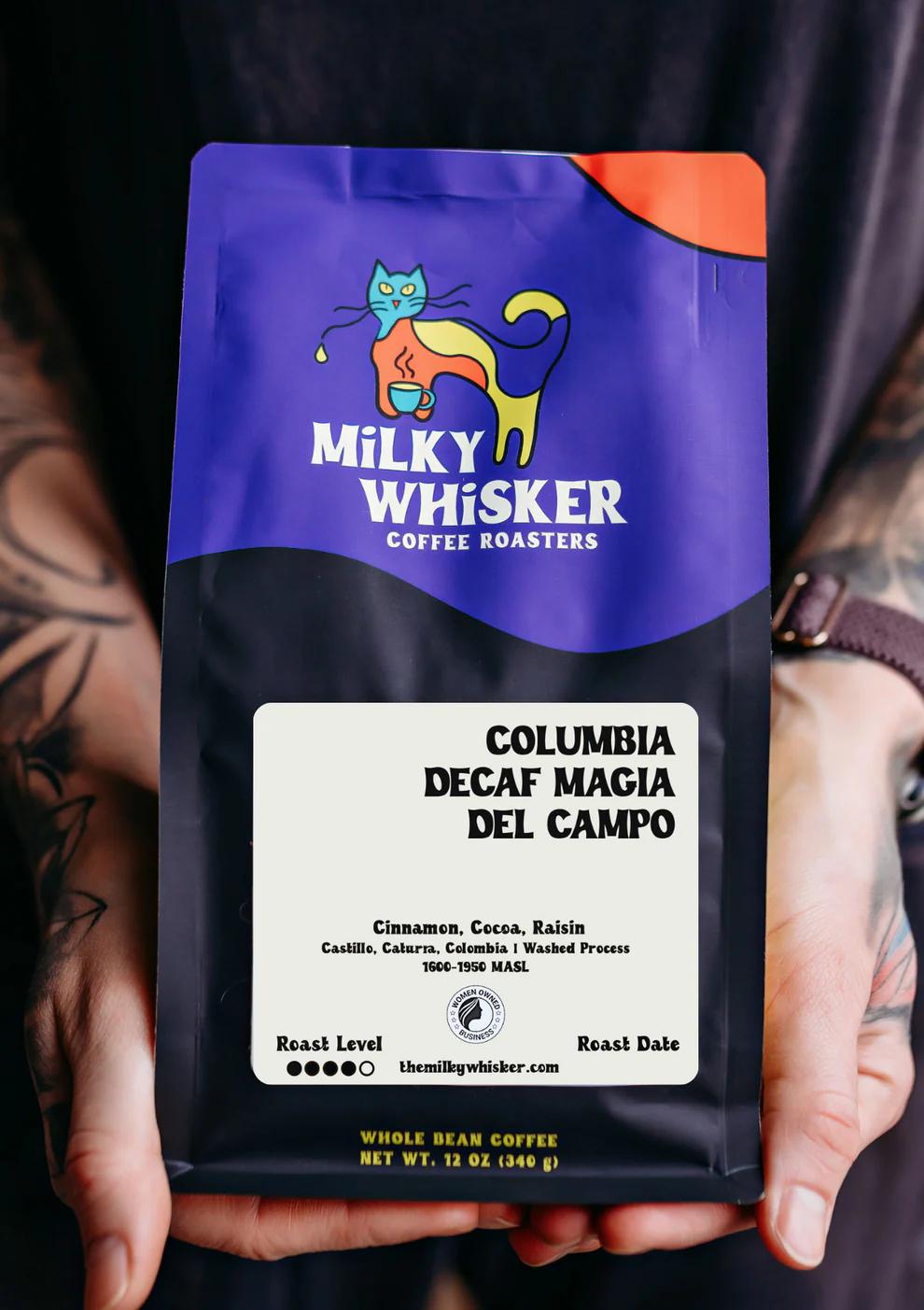
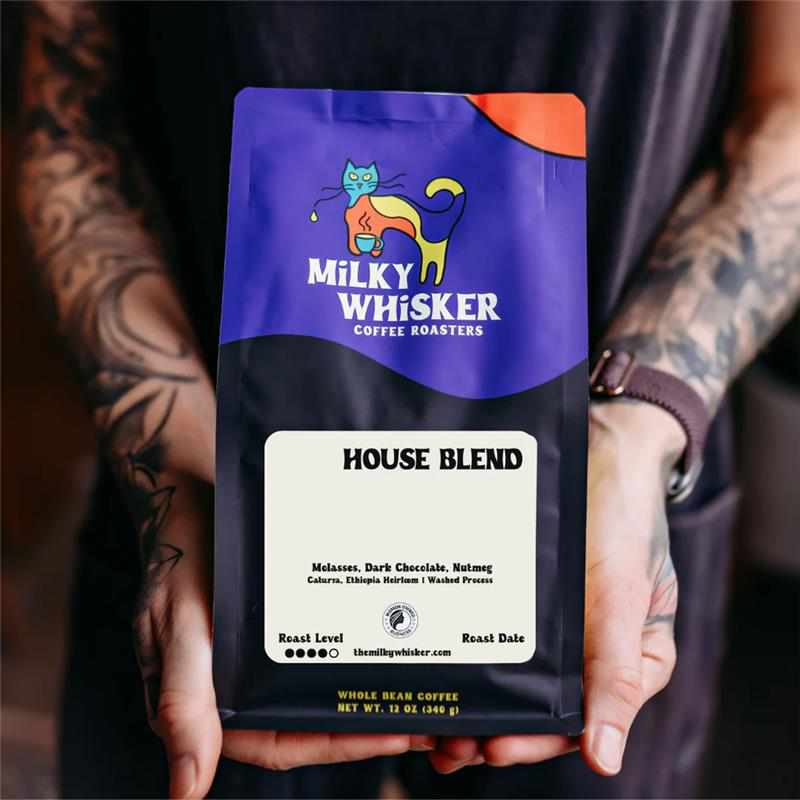
If you prefer a bold and rich flavor, look for roasted coffee beans that are freshly packaged and labeled with their roast date. Those who enjoy intensity will love the best dark roast coffee options - they offer smoky, chocolatey notes that pair beautifully with milk or cream.
Lighter roasts, on the other hand, are perfect for black coffee drinkers who appreciate delicate flavors and subtle acidity. No matter your choice, the freshness of the beans will always determine the final taste.
10. Why Fresh Coffee Beans Are Worth the Effort
It’s easy to underestimate how much freshness impacts coffee quality. Brewing with fresh coffee beans might seem like a small detail, but it’s the single biggest factor in turning a regular cup into something exceptional.
You don’t need fancy machines or complicated techniques - just quality beans, ground fresh, and brewed with care. Once you experience the difference, you’ll never go back to pre-ground coffee again.
Conclusion
Brewing with fresh coffee beans isn’t just about taste - it’s about celebrating coffee in its purest form. From preserving rich oils and vibrant aromas to enhancing your health and energy, freshness elevates every sip.
Whether you love the smoky depth of a dark roast coffee, the smooth body of whole bean coffee, or the richness of fresh roasted coffee beans, freshness is the foundation of a great cup.
So next time you brew, choose wisely - choose fresh coffee beans, and let every morning begin with the perfect pour.


Write a comment ...